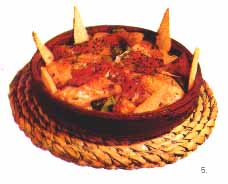
There is a region with a very characteristic cuisine around the Ebro river which is commonly known as the one of the Chilindrones (a sauce made with pepper,
tomato and fried onion) but the description is only partly appropriate. This is a region of very good food, which is hearty and plentiful, and of great wines, the Rioja ones,
though there are also some less known varieties, such as the stronger Cariñena wines. The production of meat products is flourishing, especially longaniza (a sausage) and ham.
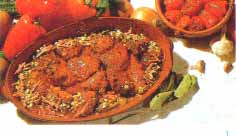
This region is famous for one of the most straightforward cuisines in Spain. Meat is the basis of the Aragonese cuisine and chilindrón, its most typical formula.
Chicken, lamb and pork are all found in this sauce as easily as other meat, though it is most commonly prepared with chicken. In the Upper Aragón region, in the heart of the
mountains, more rustic cooking is popular: lamb and goat roasted on the spit, lamb and vegetable stew (a la pastora) and the so-called espárragos montañeses (lit: mountain asparagus),
which are in fact calves' tails.
On the way to Saragossa, las magras con tomate are overwhelmingly tasty: slices of slightly fried ham dipped in tomato sauce. Then there is an endless variety accompanying las migas, a dish which has
become very popular everywhere in the central area of the peninsula. But nowhere is it served in so many varieties. Here they are served with croûtons --of ham, chorizo, bacon, black pudding--, with
chocolate and grapes. And they are always made with good bread, cut in small pieces and prepared with the chosen accompaniment. In some places they are soaked in water or milk before being fried.
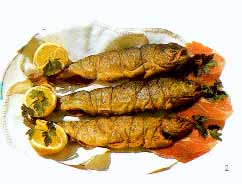
And more exquisite recipes include partridge with chocolate, which has become popular throughout the country; fried trout from the Pyrenees which are of the best quality in those rivers; and the tasty hams of Teruel,
which are cured in the cruel winter cold of its mountains; not to forget the soups, like the one with liver and cheese, which was already mentioned in the 17th century as sopa aragonesa. It is prepared in the oven with slices of toasted bread.
Among the vegetables, there is one which is exclusive to the Moncayo region: borage which is tastier than beet or
spinach. Vegetable stew, menestra, is prepared with a combination of the rich produce in the region.
In the chapter of typical exotic dishes, there is a well-liked dish taht must not be forgotten: baked lamb's head; as well as the humble
invention of the regañaos, which consist of pastry with a couple of sardines and a few strips of red pepper in the crust.
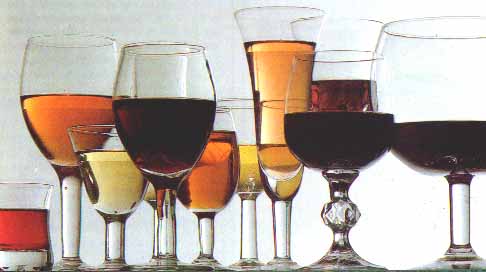
Aragonese wines are as abundant as they are good. In any bar or tavern, you will be sure to find exceptional examples. The best known wine which is known
at national level is the Cariñena, which has an alcohol content of 18 degrees.
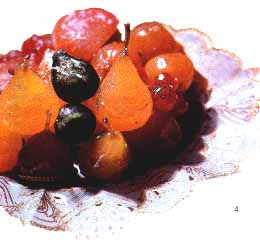
Among the desserts, pears in wine should be tried as well as Aragonese candied or chocolate-covered fruit, guirlache and turrón (almond paste).
In this region, the first topic is the wine, which has become famous far beyond the Spanish borders. Rioja wine has a very long history and the first documents about it
date back to the 17th century. In many cases they are still made with the old traditional methods and in the same old wineries. The Rioja wines are basically red and rosé and
have a moderate alcohol content, ie, between 12 and 14 degrees, a great bouquet and a mild taste.
La Rioja cooking is rich and plentiful, the dishes being prepared with the produce of the local orchard lands, among them the tasty menestra or vegetable stew. There the art of
cooking has a personality and style of its own, with a la riojana, in the style of La Rioja, being added to a variety of meat, fowl and vegetable dishes, eg, callos a la riojana, a local tripe dish.
Especially outstanding among the many dishes are patatas con chorizo (potatoes with the piquant sausage called chorizo), pimientos rellenos (stuffed peppers), chuletas al sarmiento (chops prepared
over wood from vines), asadurilla de cordero (lamb's liver, etc..).
Apart from the traditional desserts, such as el fardalejo or marzipan, La Rioja has fruit of the best quality served in surprising combinations. In the Rioja, meat is also very good (roasted chops, chicken, sirloin with peppers)
and so are vegetables (either stewed, fried or mixed and cooked), the most outstanding being asparagus and pepper. But apart from the cuisine as such, there is joy, without stiff-necked ceremony or boredom, connected with the local customs
that are followed in these parts when it comes to eating and drinking.
The cuisine in this area is eclectic and shares its tastes with different sources: the Basque, French and Aragonese cuisine. It thus has a wide range, is well-stocked and will not disappoint the visitor with some of its best
recipes: la trucha a la navarra (trout fried with a piece of ham), which has become popular everywhere in Spain as a masterly formula for preparing this fish. However, nowhere is better than here
where it has its origin. First the fish is soaked in wine, then it is filled with a slice of ham and dipped in flour before frying.
Asparagus and artichokes, together with green beans and peas, are the ingredients of the famous vegetable dish known as menestra, the quality of which is unsurpassed in the La Ribera region. This vegetable stew may of
course include other ingredients, other variations, even ham or meat. Other tasty vegetables of the region are the dark beans called pochas and the peppers from El Piquillo de Lodosa.
With regard to meat, there are lamb chops and el cochifrito navarro (small pieces of deep-fried lamb). Among the stews, there is a vegetable soup which is very similar to a soup called garbure in France. It is a dish for green
vegetable lovers because it consists of green beet, spinach, mallow, sorrel and lettuce.
Dishes of feathered game deserve a special chapter in Navarre, since they are especially well-liked by the people of Navarre and they do not abound in the present Spanish cuisine, more than anything because of the absence of the main ingredient.
Bird shooting is a very popular activity in Navarre: quail, turtle dove and wood pigeon in particular.
With all of these birds exquisite dishes are prepared. Quail is roasted in fig leaves in the month of September, which is when it is fattest. Turtle dove is roasted with herbs on the grill, covered with oil, lard, vinegar and red wine. Partridge is
also prepared in accordance with old recipes, ie, with a chocolate sauce. This sauce also accompanies hare and rabbit. These dishes are not common and are usually prepared and served on special occasions.
The picture of the cuisine of the area is not complete without the Roncal cheese, which is among the best in the country, and la chistorra,
a very characteristic sausage, prepared over burning charcoal and served with a drink before lunch or in the afternoon.